“My clothes are tighter… but I haven’t changed anything.”
“My clothes are tighter… but I haven’t changed anything.”
It is a thought that has been with you for a while now. It has stayed in the background, never quite resolved, but no longer easy to dismiss either. There comes a point where it starts to feel more like something you want to understand properly rather than just work around.
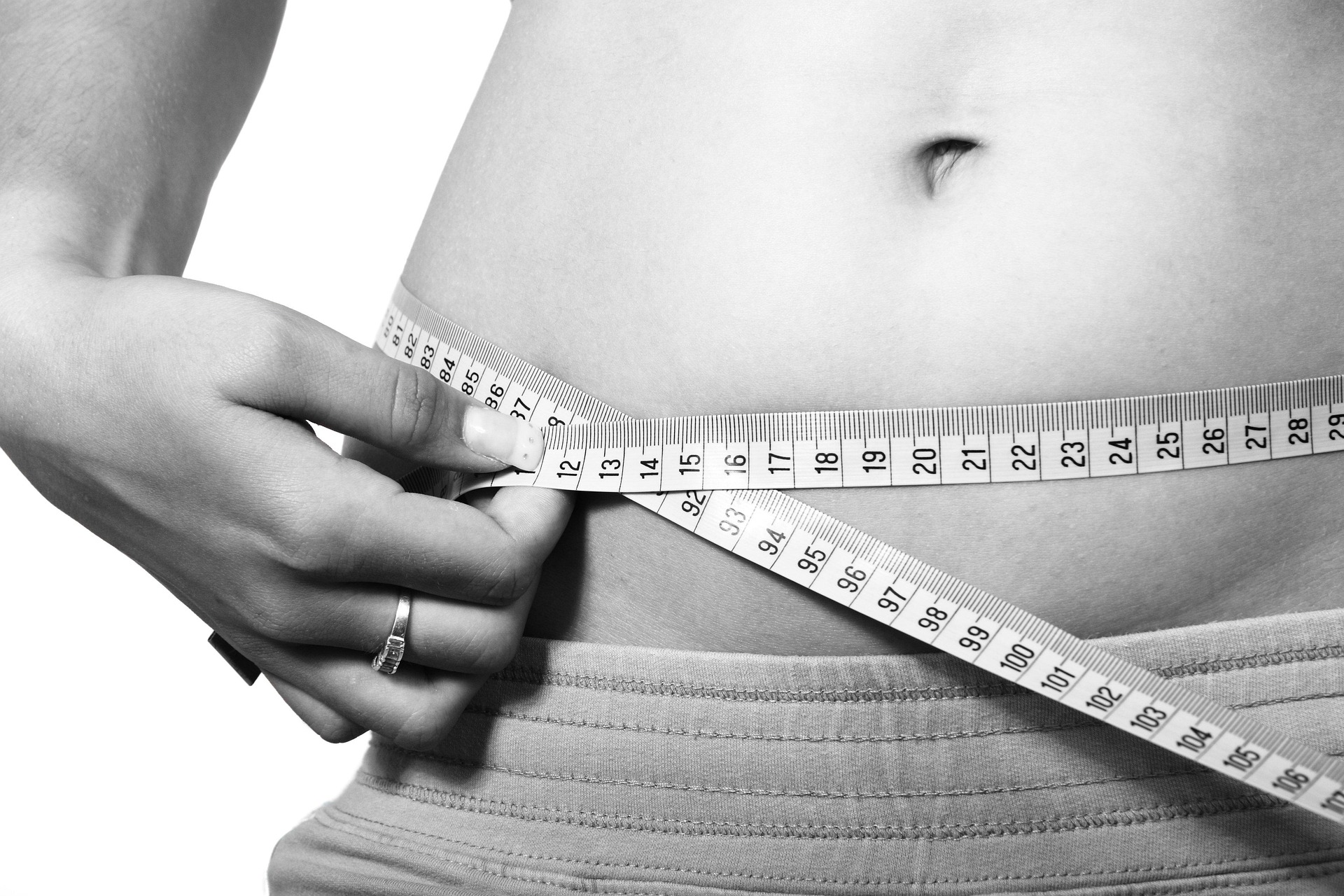
What stands out is not simply that something feels tighter, but where it feels tighter. The sense that your body is holding things differently, with more of it sitting around your middle. It is not quite how you remember your body working, and that is what draws your attention to it.
Within UK clinical guidance, this pattern is well recognised. The British Menopause Society describes a shift in body composition at this stage of life where weight is more likely to accumulate around the abdomen and upper body rather than the hips and thighs. [pmc.ncbi.nlm.nih.gov]
That alone begins to change the way you look at it. It is not simply a question of weight increasing, but of distribution changing.
From there, it becomes clearer that the question is not really about what you are doing, but about what your body is now doing differently. The same patterns are still there, but the response to them has shifted.
Oestrogen plays a much wider role than is often assumed. It influences how fat is stored, how appetite is regulated, and how efficiently energy is used. As its levels and patterns change, that influence changes with it. The body becomes more inclined to store energy centrally, particularly around the abdomen, even when habits have stayed broadly the same. [uclahealth.org]
Alongside this, the balance within the body begins to alter in quieter ways. Muscle mass reduces gradually over time, which changes how energy is used across the day. Sleep can become less settled, sometimes subtly enough that it is only noticed in how you feel rather than how you sleep. The way the body responds to pressure or demand can shift as well, affecting how easily things return to a settled state.
Taken together, these changes reshape how your body regulates itself. Looking at one part on its own does not quite capture what is happening. The physical change you notice is one expression of something broader that also includes how you feel, how steady your energy is, and how your body recovers.
This is often where the focus begins to change.
Rather than narrowing in on one element, attention turns to the whole of your experience as it is now. How consistent your energy feels, not just how much you have. Whether your sleep leaves you restored or simply rested enough. How your body responds across a day that has different demands in it. How easily it settles again afterwards.
Working with that broader view allows a different kind of adjustment to take place. It becomes less about forcing a particular outcome and more about aligning with what your body is doing now. Small shifts in daily rhythm, in how you structure your day, in how you respond to signs of tiredness or pressure, begin to carry more weight than trying to reproduce what worked before.
What tends to become apparent is that this stage is not asking for more effort, but for a more precise understanding of how your body is currently working.
The British Menopause Society also highlights that this experience varies from one woman to another, shaped by individual physiology and circumstance rather than following a fixed pattern. [pmc.ncbi.nlm.nih.gov]
That makes it less useful to compare and more useful to observe closely.
Once you take that perspective, the tightness you first noticed is no longer something separate. It sits within a wider picture of change that includes your physical state, your energy, your resilience, and how you move through your day.
And from there, what you do tends to come from understanding rather than reaction. I am here to help book a confidential consultation
Sources and authors
| Title | Author(s) | Qualifications |
|---|---|---|
| Menopause: Nutrition and Weight Gain | Nigel Denby | Registered Dietitian; Member of the Medical Advisory Council, British Menopause Society |
| Weight Gain and Menopause (Factsheet) | British Menopause Society / Women’s Health Concern | UK menopause charity linked to the Royal College of Obstetricians and Gynaecologists; content produced and reviewed by menopause specialists |
| Menopause: Nutrition and Weight Gain (Clinical Tool) | British Menopause Society | Specialist UK authority providing evidence-based guidance to healthcare professionals |
| Menopause: Identification and Management (NG23) | National Institute for Health and Care Excellence (NICE) | UK national clinical guideline developed by multidisciplinary clinical and research panels |