When Slugs and Snails Take Over the Garden
An Ecological Problem and a Homeopathic Perspective
For many gardeners in the UK, slug and snail damage is not a minor nuisance but a persistent and frustrating problem. In mild, wet conditions, young shoots can be eaten overnight, hostas reduced to lace, and carefully tended vegetable crops ruined before they have a chance to establish.
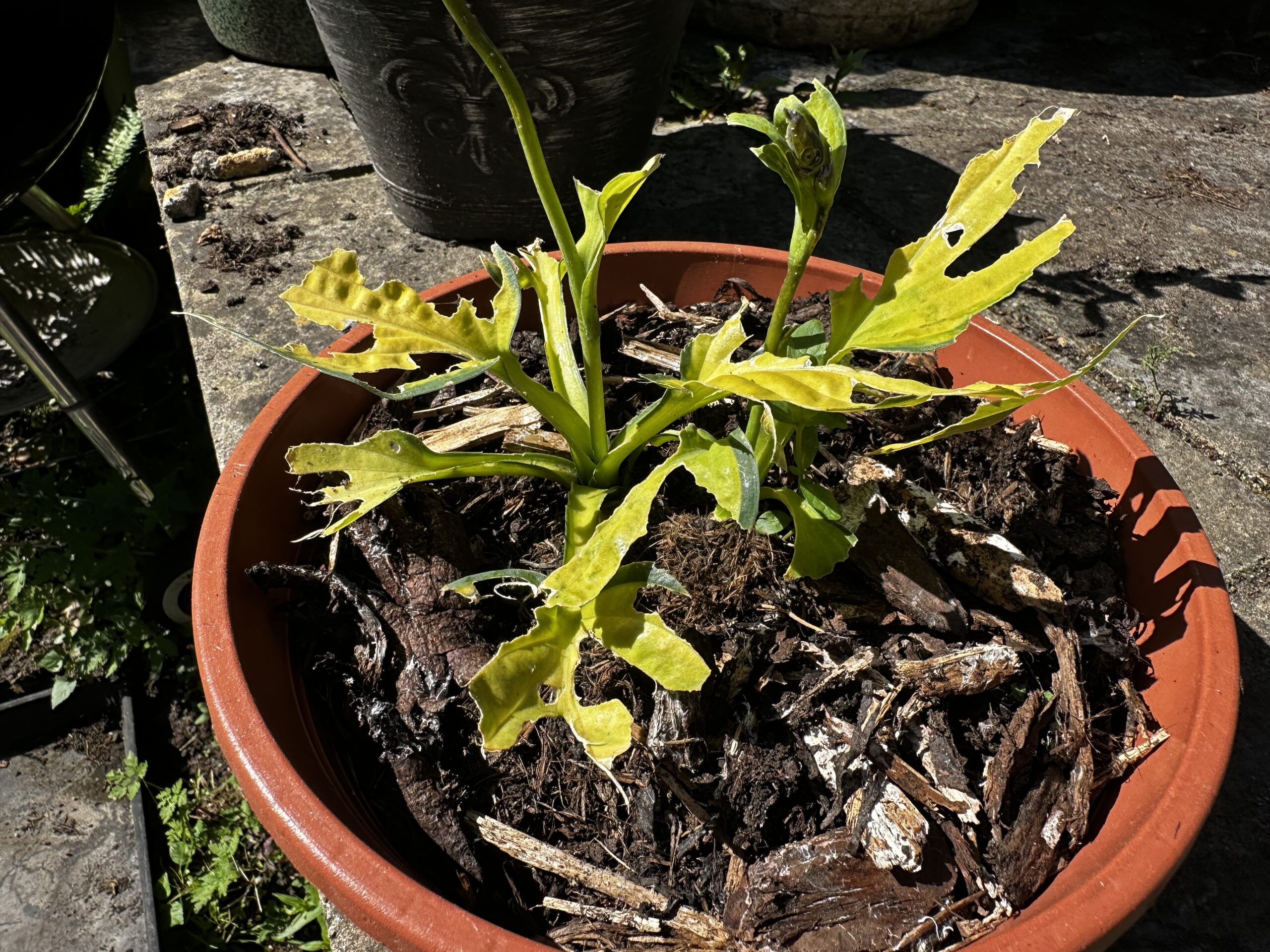
The photograph accompanying this post shows typical slug damage to a hosta in my own garden, a situation familiar to many gardeners each spring.
The Scale of the Problem
Slugs and snails are highly efficient feeders. They are most active at night and during damp weather, making their impact easy to underestimate until visible damage appears. Common features of slug and snail damage include:
- irregular holes in leaves, often starting at the edges
- complete loss of young seedlings
- slime trails on foliage and soil
- repeated damage despite physical barriers or manual removal
For gardeners trying to work in harmony with nature, this presents a genuine dilemma.
Limitations of Conventional Control Methods
Traditional methods of slug and snail control are widely available, but many have significant drawbacks.
Chemical pellets, including older metaldehyde‑based products and some newer formulations, can pose risks to pets, birds, hedgehogs, amphibians, and soil organisms. Even products marketed as “wildlife friendly” may disrupt local ecosystems when used repeatedly.
Other approaches, such as beer traps, copper tape, or hand‑picking, can be labour‑intensive, inconsistent in effectiveness, or impractical in larger gardens. As a result, many gardeners find themselves caught between crop loss on one hand and ecological concern on the other.
Rethinking the Problem Ecologically
From a biological perspective, slug and snail outbreaks are rarely random. High populations are often associated with:
- damp, compacted, or poorly structured soils
- reduced predator numbers
- excessive organic surface matter
- disturbed ecological balance within the garden system
Rather than viewing slugs and snails solely as enemies to be eliminated, an ecological approach asks whether the plant–pest relationship itself can be moderated.
A Homeopathic Response to the Problem
This is where homeopathy enters the discussion—not as a pesticide, but as a regulatory approach.
In agro‑homeopathy and garden homeopathy, remedies are sometimes prepared from the pest organism itself, with the intention of influencing behaviour and interaction rather than causing toxicity. One such preparation is Helix tosta, made from the ash of the common garden snail and potentised according to established homeopathic methods.
Used in dilution and applied to soil and growing areas, Helix tosta is reported by many gardeners to be associated with a reduction in feeding damage, rather than the disappearance of slugs and snails altogether.
Scientific Context
Research into homeopathy in agriculture and horticulture is ongoing and interdisciplinary. Experimental studies have examined the effects of highly diluted preparations on biological systems, including plant growth, stress responses, and pest behaviour.
Some peer‑reviewed investigations in agro‑homeopathy suggest that ultra‑high dilutions may exert effects through non‑linear regulatory mechanisms rather than chemical action. Proposed explanations include hormetic responses, signalling effects, and structured water phenomena. These remain areas of active scientific debate and research.
Importantly, Helix tosta is not a molluscicide and should not be understood or evaluated as one. Its use is best considered within a broader framework of low‑impact, systems‑based gardening.
Practical Implications for Gardeners
Gardeners who explore this approach typically do so alongside other ecological measures, such as:
- improving soil structure and drainage
- encouraging natural predators
- reducing excessive moisture retention
- observing patterns of damage rather than reacting to single events
Results may vary depending on local conditions, weather, and the existing balance within the garden ecosystem.